
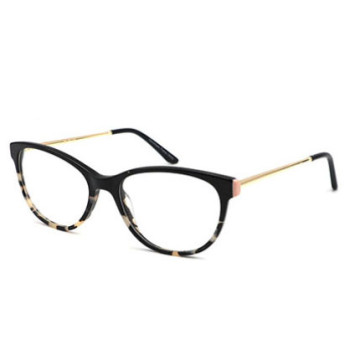
Custom Acetate Optical Frame with Metal Temple


- group name
- Custom Men Optical Frame
- Min Order
- 300 piece
- brand name
- READSUN Optical
- model
- oa841034
- Nearest port for product export
- SHANGHAI, NINGBO, GUANGZHOU, SHENZHEN
- Delivery clauses under the trade mode
- FOB, CFR, CIF, EXW, FAS, CIP, FCA, CPT, DEQ, DDP, DDU, Express Delivery, DAF, DES
- Acceptable payment methods
- T/T, L/C, D/P D/A, MoneyGram, Credit Card, Westem Union, Cash
- update time
- Mon, 26 Oct 2026 16:48:24 GMT
Paramtents
MOQ 300
Certificate CE,FDA
Logo Support
material ultem
Lens material DEMO LENS
Packging & Delivery
- 84cm x35cm x36cm
-
Min Order300 piece
Briefing
Detailed
A sheet acetate front joined to a metal temple, the combination most buyers specify when they want acetate depth of colour without an all-acetate arm.
Overview
A cellulose acetate front with a slim metal temple is assembled from two materials rather than moulded as a single part, and that choice shapes both the price structure and the fit. The rim is cut from acetate sheet, tumbled and polished, so colour runs through the full thickness of the material and a scrape shows the same tone instead of a white core. The temple is produced separately, then fixed to the front through a hinge block that is riveted and swing-tested before packing. The metal temple is fixed through a riveted hinge block, which is checked for swing before the frame is packed and again at the carton sample.
Acetate responds to controlled heat, which is why an optician can still adjust the bridge and the end pieces at the dispensing table long after the frame has left the factory. The metal temple adds a second kind of stability: it holds its shape under daily handling, keeps the overall weight lower than an all-acetate arm, and allows a slimmer profile behind the ear. Because the front is cut and reamed by hand, the bridge can be adjusted at fitting, which matters in markets where the optician still aligns frames in store. For a buyer building a private label line, the useful part is that one front tooling can carry different temples across seasons, so a colour refresh never requires a new mould.
Key Features
Sheet Acetate Front
Fronts are cut and reamed from sheet acetate rather than injection pellets. Colour sits in the mass, the rim edge polishes to a glass-like finish, and the material tolerates hand reaming at the bridge, which keeps lens mounting accurate on short runs and lets a lab rework a groove without cracking the rim.
Temple and Hinge Build
The temple is a metal component with a moulded acetate tip, joined to the front through a hinge block that is riveted and then checked for swing and return. Steel keeps adjustment longer than acetate, so the frame still sits square after weeks in a display case and repeated try-ons.
Lens Mounting and Geometry
Rims are reamed to the lens curve stated on the order, and the bridge is measured against the drawing before assembly. A demo lens is mounted at production so the frame arrives stable; the buyer's lab can then fit prescription lenses without recutting the groove or stressing the rim.
Colour, Logo and Range Fit
Standard colour is matched to a physical swatch or a Pantone reference, with Any colour, matched to a swatch offered in the base line. Logo can be hot stamped, laser marked or set as a metal plaque on the temple, and the inner arm carries model, size and CE marking so retail paperwork stays simple.
Product Showcase
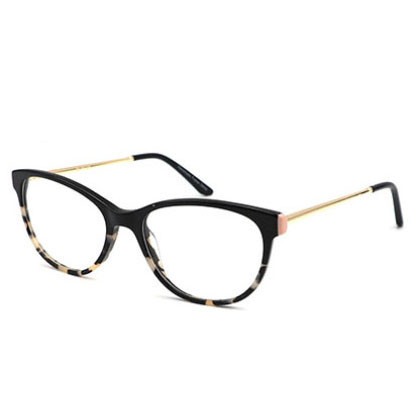

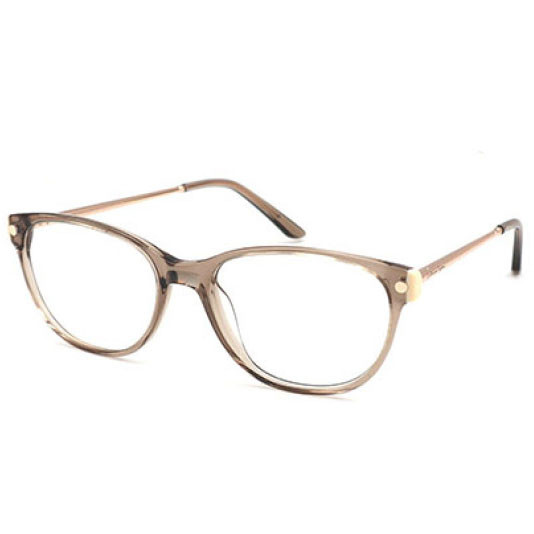

Views show the OA841034 sample and, where noted, a sister model from the same range, so the hinge position and temple profile can be compared before a sample is ordered.
Specifications
| Model No. | OA841034 |
|---|---|
| Category | Custom Men Optical Frame |
| Frame Material | Acetate |
| Lens | Demo lens fitted at production |
| Temple | Slim metal temple with acetate tip |
| Size | Fixed by the mould, confirmed on the approved drawing |
| Colour | Any colour, matched to a swatch |
| Customization | Logo, colour, temple, lens and packaging; artwork approved from a proof |
| MOQ | 300 pcs per model |
| Certification | CE and FDA |
| Lead Time | 7 days after order confirmation |
| Payment Terms | T/T, 30 percent deposit and 70 percent balance before shipment |
| Port | Shanghai / Ningbo |
The values above come from the current specification sheet for this model. A size marked as fixed by the mould cannot be changed without new tooling, while colour, logo, lens and packing remain adjustable within the stated minimum.
OEM & ODM Customization
A custom acetate front is paired with a metal temple, which is the combination most buyers ask for when they want acetate depth of colour without an all-acetate arm. The acetate optical frame is cut and reamed from sheet, the optical frame is assembled on a jig that holds it square, and every custom acetate optical frame is checked for hinge swing before packing.
OEM work starts from a drawing, a competitor sample or a photo with dimensions, and the first decision is always whether the front tooling exists. When it does, the project moves to colour, temple and logo instead of a new mould, which is the difference between a fast sample and a full tooling programme. The points below are the ones that move a quotation most.
- Hinge and temple: temple profile, hinge type and tip material are selected per price point, so one front can serve a spring-hinge line and a standard line.
- Colour: matched to a physical swatch, a Pantone code or a previous shipment; transparent, tortoise and laminated effects need a confirmable reference rather than a colour name.
- Logo and marking: hot stamp, laser, silkscreen or metal plaque, positioned on the temple or inner arm, with model, size and CE text placed to suit the destination market.
- Packaging: polybag, microfibre pouch, hard case, printed sleeve and barcode label can be specified per carton, and the carton mark follows the buyer's own layout.
- Documents: CE and FDA files are issued against the model number, and the declaration of conformity lists the exact material and lens combination shipped.
- Repeat orders: colour, temple and logo specifications are archived with the model number, so a reorder placed a year later is produced to the same reference.
Buyers who want the wider picture can review the OEM and ODM optical frames programme, which explains how tooling, sampling and documentation are handled across models.
Manufacturing & Quality Control
Production is organised around four checkpoints, and a frame cannot move to the next stage until the previous one is signed off. The process below is the same for a sample order and for a repeat run.
1. Incoming Material Inspection
Acetate sheet is checked for thickness, colour batch and surface defects against the approved swatch, and metal temples are inspected for plating coverage, hinge thread condition and dimensional tolerance. Rejected lots are quarantined before they reach the cutting bench.
2. Cutting, Reaming and Assembly
Fronts are milled, tumbled and reamed, then fitted with hinges and temples on a jig that holds the frame square. Every frame is checked for hinge swing, temple symmetry and bridge width before it moves to finishing.
3. Surface Finishing and Optical Check
Polishing removes tool marks without softening the edges, and frames are inspected under daylight-balanced lamps for colour consistency and scratches. Groove depth and bevel are verified with a demo lens in place, so the rim holds the lens without stress.
4. Packing and Pre-Shipment Audit
Each frame is wiped, sleeved and counted against the order, then sampled from every carton for logo position, hinge tension and colour match. Carton marks, barcode labels and the packing list are checked before the carton line is sealed.
Inspection records are kept against the model number, so a question raised months after shipment can be traced back to the batch, the operator and the material lot. The full procedure is described under quality control.
Applications
- Independent optical retailers building a house brand on the frame wall
- Distributors who need one acetate front across several retail price points
- Online eyewear brands shipping direct to consumer
- Chain stores requiring consistent colour across repeat orders
- Corporate and institutional supply programmes with fixed specifications
- Export buyers combining frames, cases and pouches in one shipment
The acetate programme sits alongside the wider custom men optical frame selection, and the same front tooling is offered in the custom women optical frame range when a softer fit is required.
FAQ
What is the minimum order for a colour change?
The MOQ for this model is 300 pieces, and a colour change inside that quantity is treated as normal production rather than a special run. Splitting one order across two colours is possible when each colour reaches the per-colour minimum, which is confirmed at quotation stage.
Can the temple or hinge be changed without new tooling?
Yes. Temple profile and hinge type are separate components, so a spring hinge, a standard hinge or a different tip can be specified on the same front. A change of front shape is a tooling decision and needs a dimensioned drawing before sampling.
How are logo and packaging approved?
Logo position and method are agreed from a proof, and packaging artwork is checked against a printed sample before mass production. Both are quoted together with the frames, so the landed cost is visible in a single document.
Start Your Custom Order
Send the model number, target quantity and colour reference, and the reply returns with tooling status, FOB price, lead time and the sample plan. Where the front already exists, a colour-matched sample can be prepared before the order is placed.
Prefer to compare shapes first? The custom men optical frame page lists the rest of the range.